Engineering for Your ApplicationDesign the Part and Process Together

Start with the part’s function, enclosure geometry, mating features and material interface. Product designers can discuss uneven wall thickness, sink, filling and release risks with the mold team before approving changes to the design.

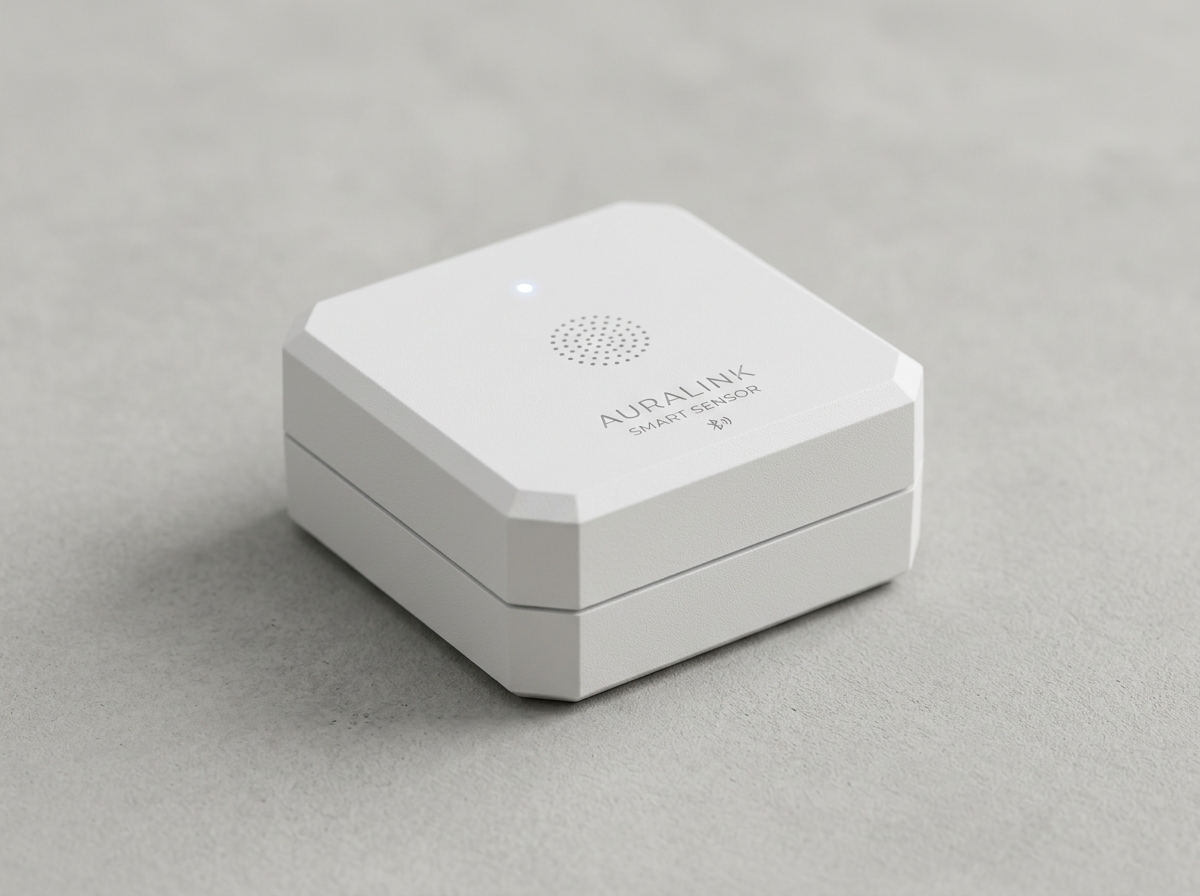
Electronic Enclosures and Connector Housings

For custom plastic enclosures and connector housings, review cosmetic surfaces, wall transitions, bosses, mating features and assembly requirements. Overmolding or metal inserts add material and interface questions to the part DFM.

Explore overmolding
Electronic component reference

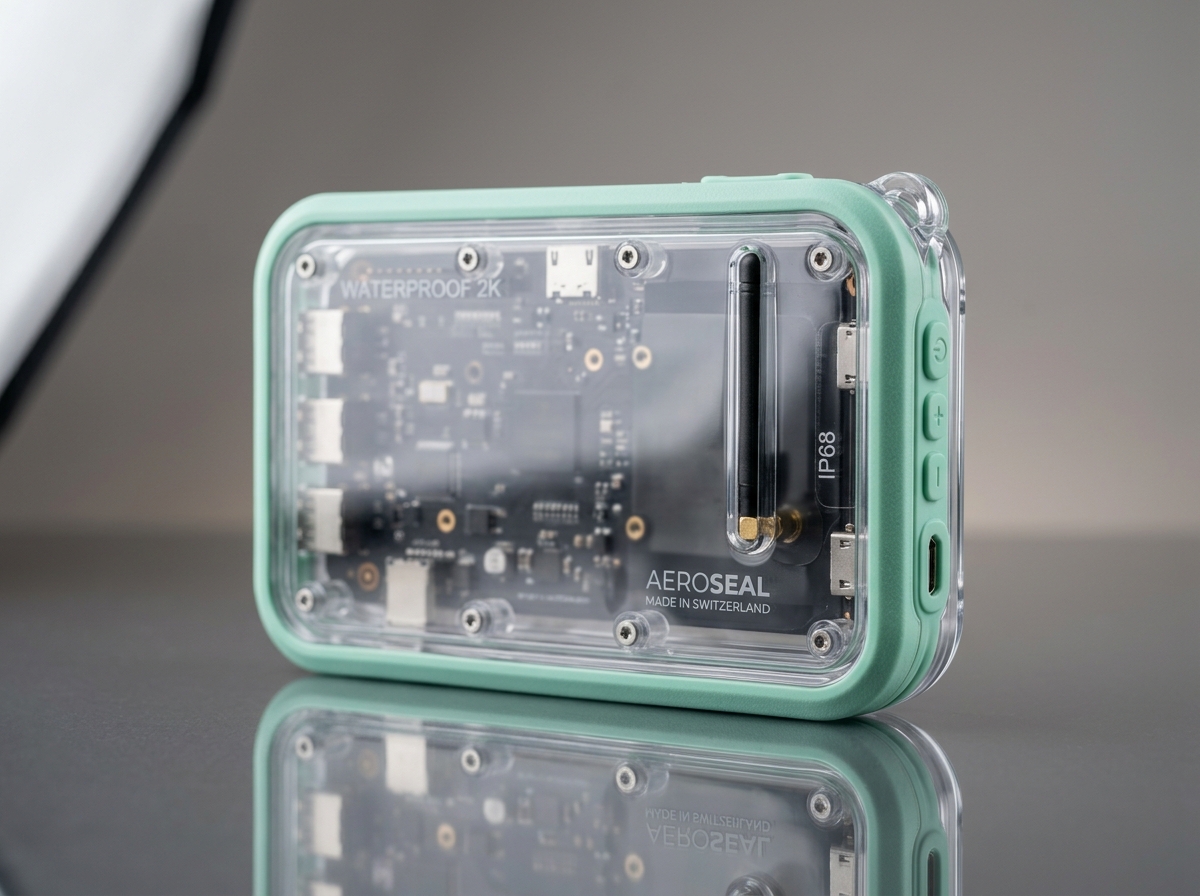
Instrument Housings and Enclosures

For custom instrument housings, discuss geometry, controls, mating components and cleaning or environmental requirements. Medical instrument parts also require the intended use and applicable material assessment to be specified.

Explore plastic part production
Laboratory device reference

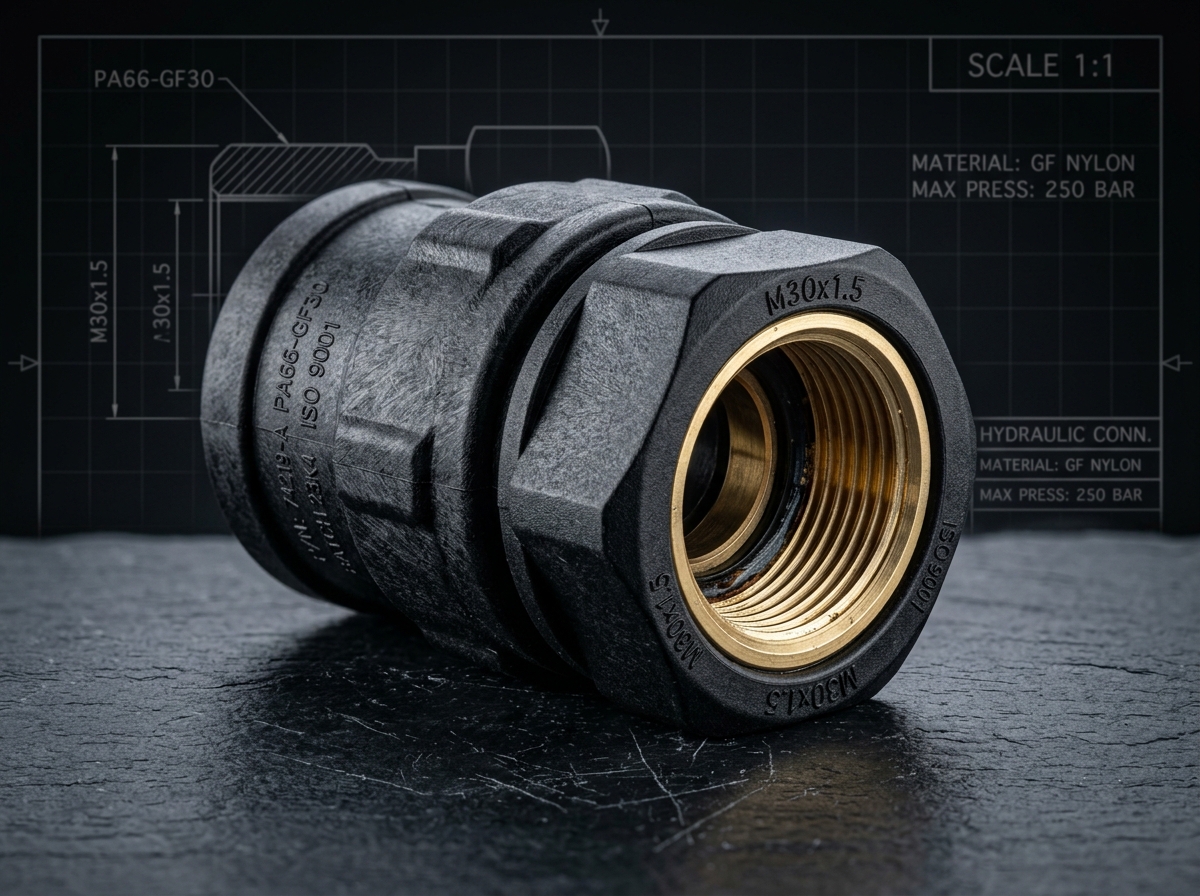
Metal and Plastic Working Together

Define insert supply, location, retention and the dimensions that control assembly. Review metal-part variation alongside the plastic geometry and tooling approach.

Explore insert molding
Industrial tooling reference

For automotive components, discuss a project-specific small-batch scope through the RFQ. Medical instrument planning is separate from disposable consumable requirements.

Part Types We EngineerKey Review Points by Application

Typical part types discussed at RFQ stage, with the engineering points we review for each. Images show representative part types; materials, tolerances and tooling details are set from your drawing.

What Helps Us Review an Application?Define the Part and Production Requirements

Part and Function

Describe the part, its function, mating components, material, visible surfaces, and critical features.

Production and Press

Share expected quantity, target press information, preferred interface components, and requested schedule.

Acceptance and Records

List drawing tolerances, inspection methods, certificates, sample quantities, and any validation requirements.

Discuss a Similar Application

Start with a written brief. Arrange and sign an NDA before sending confidential drawings or CAD.

Request a Quote