Check geometry for molding
Review wall thickness, ribs, draft angles and undercuts to identify possible sink, incomplete filling and release concerns before the mold is made.

Injection-molded components for electronic products, instruments and industrial equipment need a clear relationship between part design, resin grade, finish and acceptance method. We review the application and drawing before confirming a production scope.
For contract injection molding, the part design, resin supply and expected order quantities all affect the tool and production plan. Share the drawing and intended application so the scope can be reviewed together.
Review wall thickness, ribs, draft angles and undercuts to identify possible sink, incomplete filling and release concerns before the mold is made.
Confirm the manufacturer, exact grade, performance requirements and availability through an authorized source in China. Any alternative requires customer review and approval.
Share prototype, trial or production quantities, critical dimensions and delivery requirements. Pricing, batch size and lead time are confirmed in the quotation.
Plastic injection molding forms parts by injecting molten resin into a mold. Achievable tolerances depend on the chosen material, part geometry, tooling, process and measurement method; agree critical dimensions and acceptance criteria for each project.
Review draft angles (1.0° to 1.5°), nominal wall thickness (1.5 to 3.5 mm), gate style, ejection pin locations, and mold parting lines. Any proposed 3D design modifications are returned to the client with technical justification before cutting steel.
Specify polymer manufacturer and exact grade (e.g. Sabic Cycoloy PC/ABS, DuPont Zytel PA66, Covestro Makrolon PC), including flame retardance ratings (UL 94 V-0), color formulations, and virgin resin certifications.
Establish critical-to-function (CTF) dimensions, CMM optical measurement routines, visual inspection criteria under ASTM D1729 lighting, first article inspection (FAI) reports, and protective export packaging.
Views of injection molding production and the molding workstation.


Short silent clips from one injection molding sequence: the mold opens, a robotic picker removes the part, and finished parts move out on the conveyor.
Engineering resin selection balances dimensional stability, mold temperature, and mechanical load. Volumetric shrinkage varies from 0.3% in glass-filled polymers to 2.5% in semi-crystalline acetal, requiring resin-specific cavity scaling during tool CAD design.
For precision electronic enclosures and instrument component molding, tool cavities are machined with mirror EDM spark erosion and high-speed CNC milling to achieve surface finishes from SPI-A2 diamond buff down to VDI 3400 texture scales. The comparison table below details thermal processing parameters and DIN 16742 tolerance classifications across primary engineering thermoplastics.
| Engineering Resin | Volumetric Shrinkage | Mold Temperature | DIN 16742 Tolerance | Key Mechanical Properties | Target Applications |
|---|---|---|---|---|---|
| ABS (Acrylonitrile Butadiene Styrene) | 0.4% to 0.7% | 40°C to 80°C | DIN 16742 TG4 (±0.05 mm) | High impact resistance, dimensional stability, excellent surface finish | Electronic enclosures, consumer instrument housings, automotive bezels |
| PC (Polycarbonate) | 0.5% to 0.7% | 80°C to 120°C | DIN 16742 TG4 (±0.05 mm) | Optical clarity, high heat deflection (130°C to 140°C), flame retardance | Transparent light pipes, display lenses, industrial instrument covers |
| PA66 + 30% GF (Polyamide Glass-Filled) | 0.3% to 0.8% (anisotropic) | 70°C to 110°C | DIN 16742 TG5 (±0.08 mm) | High mechanical stiffness, tensile strength up to 175 MPa, heat resistance | Internal structural chassis, motor mounts, high-load industrial gears |
| POM (Polyoxymethylene / Acetal) | 1.8% to 2.5% | 60°C to 90°C | DIN 16742 TG5 (±0.08 mm) | Low coefficient of friction, high wear resistance, fatigue endurance | Precision gears, cams, sliding bushings, fluid control valves |
| PBT (Polybutylene Terephthalate) | 1.5% to 2.0% | 40°C to 80°C | DIN 16742 TG4 (±0.06 mm) | High dielectric strength, low moisture absorption, chemical resistance | Automotive sensor housings, electronic terminal blocks, relays |
| PMMA (Acrylic / Polymethyl Methacrylate) | 0.2% to 0.6% | 50°C to 80°C | DIN 16742 TG4 (±0.05 mm) | High optical clarity (92% transmission), scratch resistance, UV stability | Light guides, optical lenses, display bezels, transparent covers |
Material and product requirements should be specified for the actual application. Agree the resin grade, supplier, documentation, applicable tests and inspection scope before production.
For electrical and electronic assemblies, verify supplier test certificates against EU RoHS 2011/65/EU and REACH Annex XVII restricted substances. EU RoHS guidance
For devices subject to FCC rules, discuss equipment-level electromagnetic requirements separately from resin selection and material declarations. FCC Part 15 standard
When applicable, confirm the required flammability rating, material grade and supporting documents. Medical or food-contact requirements depend on the intended use and applicable assessment. FDA biocompatibility guidance
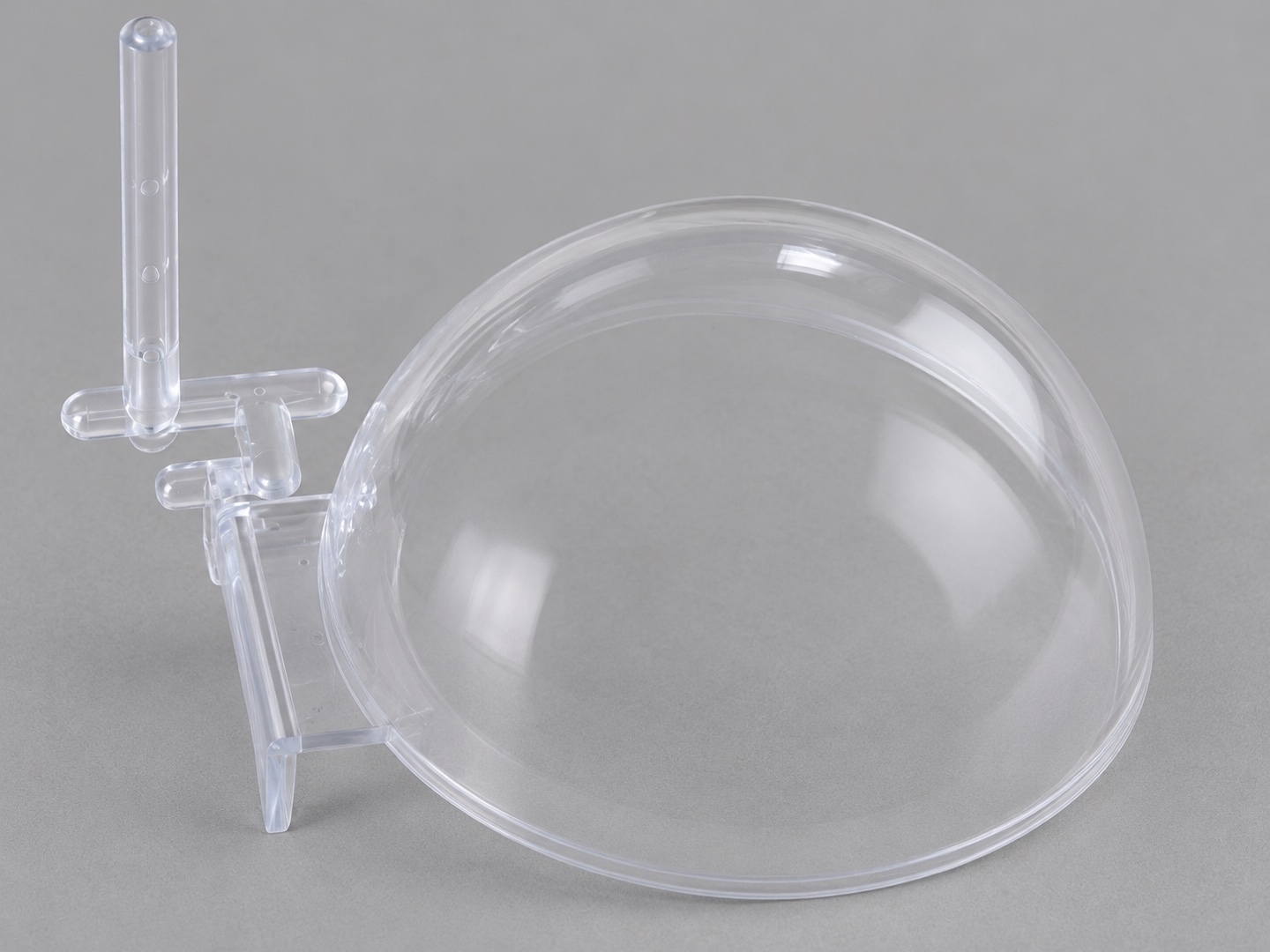
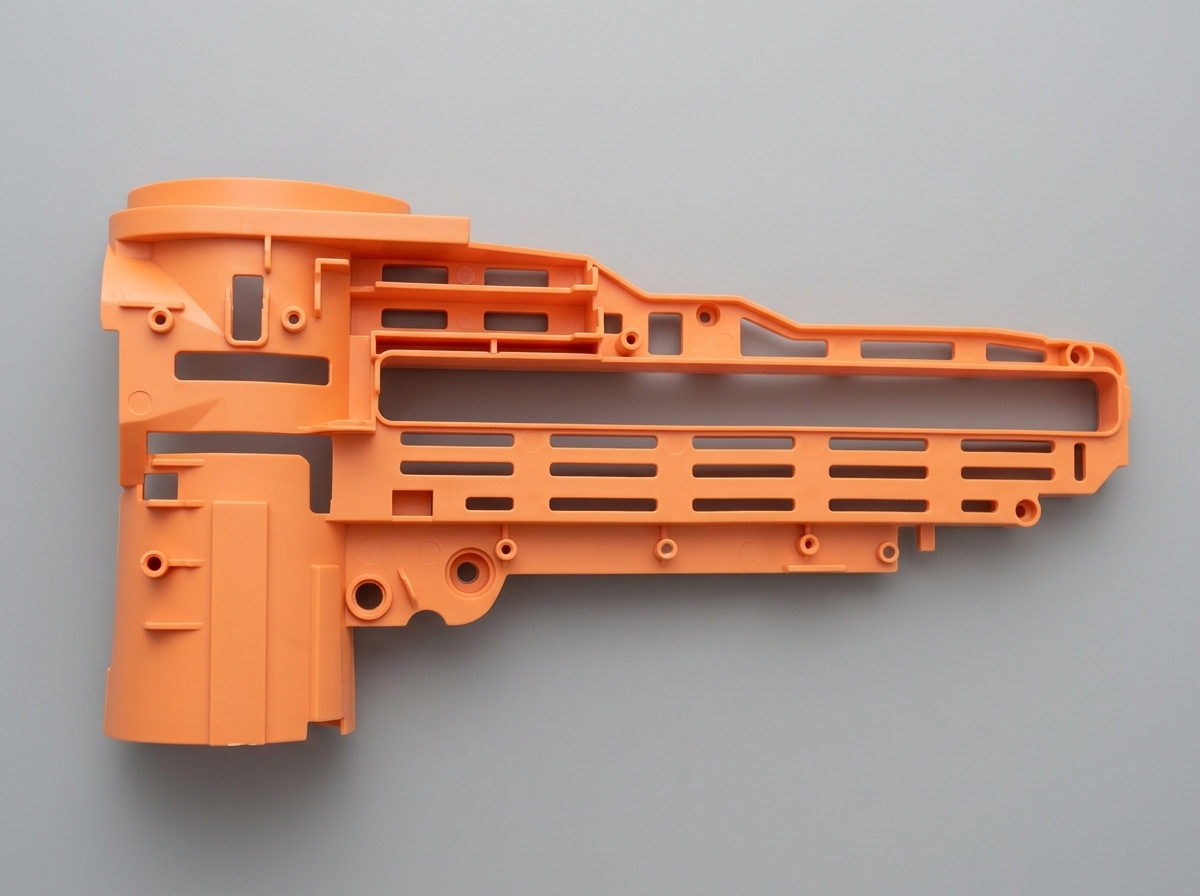
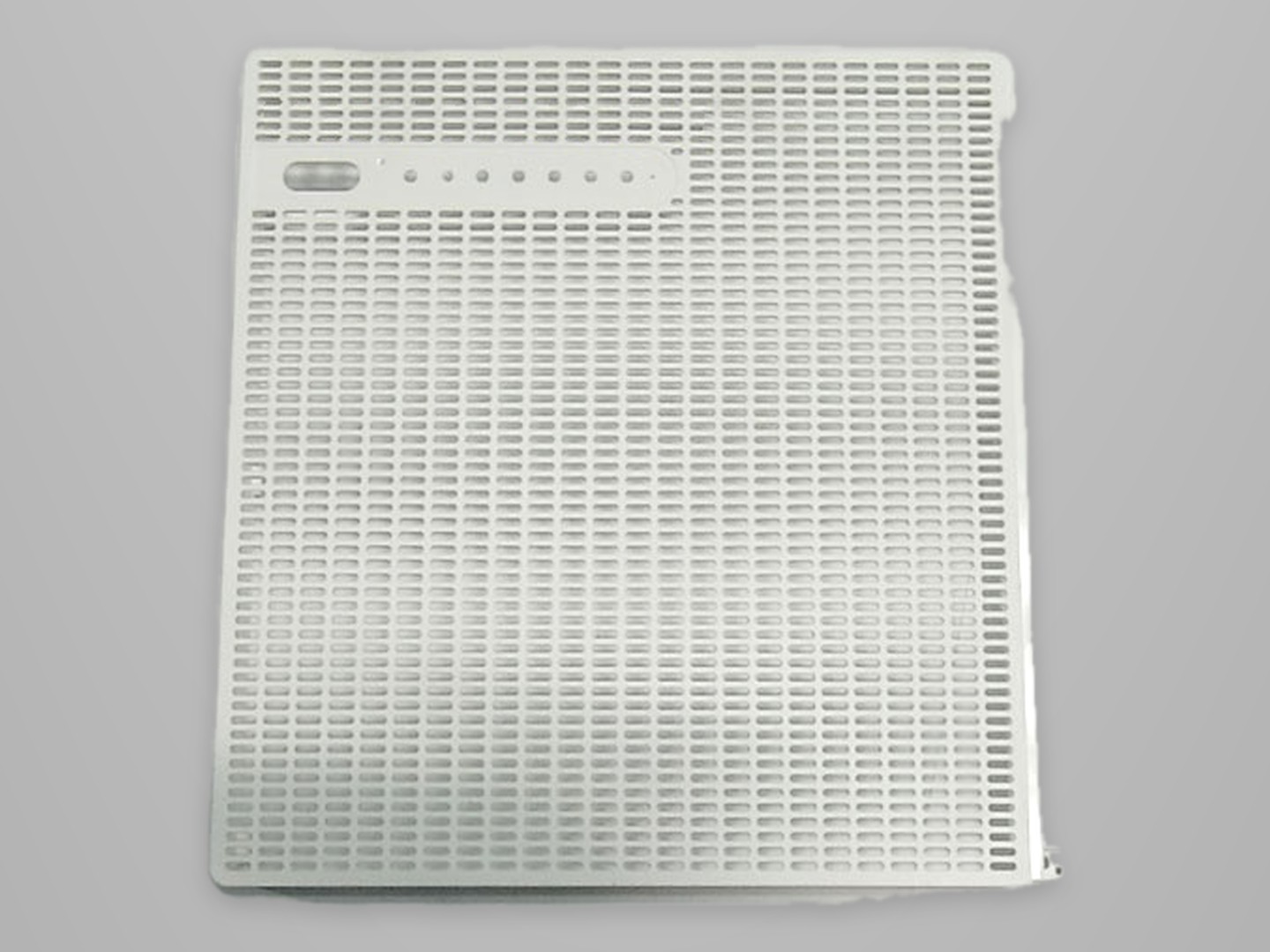
Explore related catalog parts. Images illustrate part types; confirm materials, dimensions and acceptance requirements for your project.
While a photo provides preliminary context, an accurate quotation requires a 3D STEP/IGES CAD model, 2D dimensional drawing with geometric tolerances, specified resin grade, and projected annual production volume.
Specify whether virgin resin or regrind is permitted, along with the exact grade, source and any restrictions. Material and documentation requirements are confirmed in the quotation.
Press selection depends on projected area, part weight, resin, mold dimensions and the available machine. Share the part and mold details so the production team can confirm suitability.
Identify the dimensions critical to assembly and agree tolerances, measurement methods and any production inspection or capability study for the specific part.
Share the application, drawing revision, material requirements, expected quantity and acceptance needs. Sensitive files can be exchanged after an NDA through a channel we agree together.
Request a Quote